
Beginner Friendly
Line Dancing: Simple Steps for Everyone
Build confidence, improve coordination, and have fun moving to the beat. No experience needed.

Why Line Dancing Works for Everyone
Line dancing isn't what you might think it is. There's no partner needed, no complicated choreography memorization, and definitely no judgment. It's straightforward, energetic, and honestly? It's addictive once you get going.
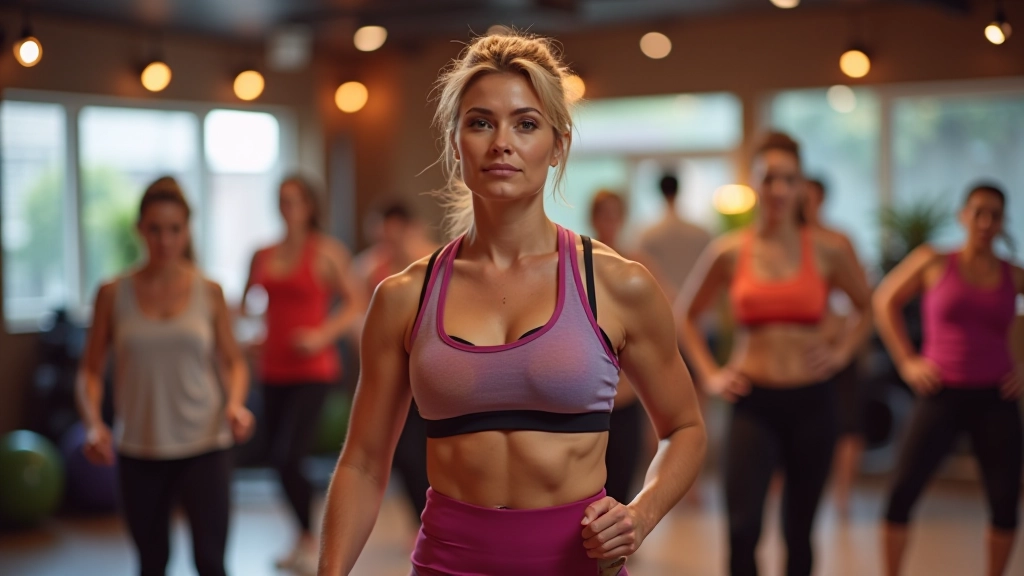
The beauty of line dancing is that you're moving with a group, all doing the same steps, all facing the same direction. Everyone's in it together. Whether you're 45 or 65, whether you danced in your twenties or never stepped on a dance floor before — you'll fit right in. Most people notice they're getting stronger and more coordinated within a few weeks.
Plus, you're getting a solid cardio workout without it feeling like exercise. You're having fun, you're moving, your heart's pumping, and you're done for the day. That's the real appeal.

The Fundamentals: What You're Actually Doing
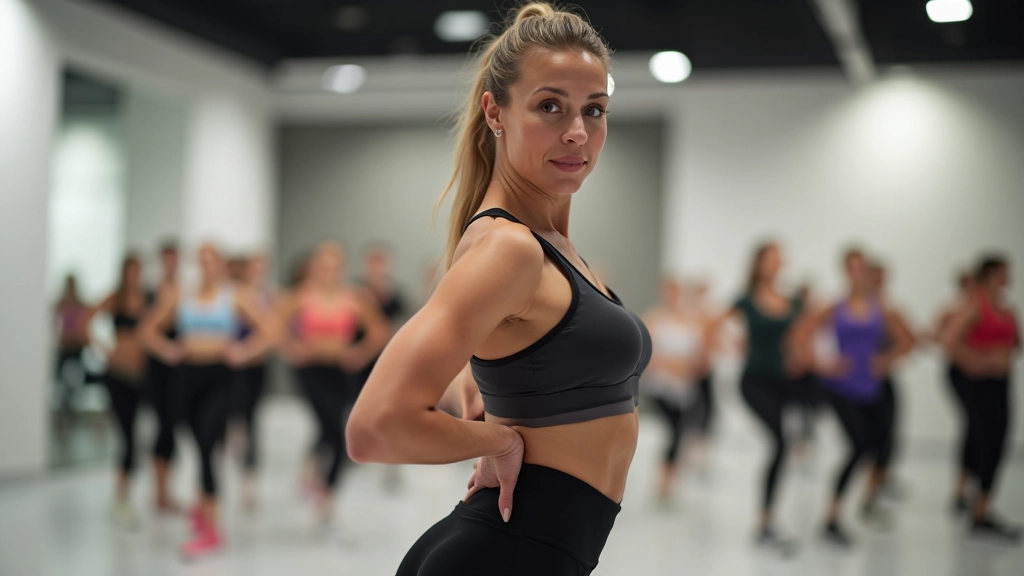
Here's what makes line dancing different from freestyle dancing. You're moving in synchronized patterns with everyone else. The instructor calls out steps, and everyone does them together. It's repetitive — but that's the point. Your body learns the pattern, and your mind relaxes into it.
The basic building blocks are simple. You've got your walks (just stepping forward or backward), your side steps (moving left or right), and your spins. Add some hip action and arm movements, and you've got a full routine. Most beginner routines use the same 8-count pattern repeated over and over.
The movements aren't hard on your joints either. You're not doing high-impact plyometrics or anything extreme. It's controlled, deliberate movement. That's why it works so well for the 45-65 age range. You get the cardiovascular benefit without the wear and tear.
The Most Common Patterns You'll Learn
These aren't the only patterns out there, but they're the ones that show up in almost every beginner class.
01
The Grapevine
Side-step right, cross left behind, side-step right, touch. Then reverse. You're literally drawing a shape with your feet. Takes about two run-throughs before it clicks.
02
The Cowboy Shuffle
Rock forward, step back, rock back, step forward. Add some weight shifts and hip movement. It's playful and feels good once you get the rhythm down.
03
The Cha-Cha Slide
Quick-quick-slow on both sides. It's a timing thing more than anything. Once your feet understand the rhythm, your whole body loosens up.
04
The Electric Slide
Four walks forward, four walks back, four slides left, four walks forward. It's methodical and satisfying. Perfect for building muscle memory.
What Happens When You Show Up Consistently
Consistency matters more than intensity. Show up once a week for 8 weeks, and you'll see real changes. Your balance improves because you're shifting weight intentionally. Your coordination gets sharper because you're connecting music to movement. And your confidence? That shifts dramatically once you realize you can actually do this.
The cardiovascular benefits are real too. A typical session gets your heart rate up to about 120-140 beats per minute depending on the tempo. That's solid aerobic work. You're burning calories, strengthening your legs and core, and improving your endurance without feeling like you're grinding through a workout.
There's also a mental component people don't talk about enough. You're focusing on the steps, listening to the music, moving with a group. Your brain gets a break from everything else going on. That meditative aspect is huge. Plus you're making friends. Real friendships form in these classes because everyone's showing up to do something fun together.

Getting Started: What You Actually Need
Comfortable Shoes
Athletic shoes or dance shoes work. You need something with good support that lets your feet move freely. Avoid flip-flops or anything too restrictive.
Casual Workout Clothes
Whatever you'd wear to the gym. You want to move comfortably. Most people wear t-shirts and stretchy pants or shorts. Nothing fancy needed.
A Water Bottle
You'll sweat. Not like you're in a sauna, but enough that staying hydrated matters. Bring water and take sips between routines.
Willingness to Feel Awkward
Everyone feels awkward the first few times. That's normal. The people around you? They felt exactly the same way. You'll get past it in about two weeks.

Where to Find Line Dancing Sessions
Line dancing is more accessible than ever. You've got options depending on what works for your schedule and preferences.
Local Community Centers
Most community centers offer beginner classes, usually 1-2 times per week. They're affordable, casual, and you'll meet people in your area. Classes typically run 60 minutes and cost $10-15 per session.
Dance Studios
Dedicated dance studios often have dedicated line dancing instructors. More variety in music and style. Slightly higher cost ($15-25 per class) but often better production and equipment.
Fitness Gyms
Many gyms include group classes like line dancing in their membership. If you're already a member, it's included. Even if not, day passes work and it's convenient.
Senior Centers
Don't let the name fool you. These centers often have the most welcoming, fun-focused line dancing groups. Ages mix, and the vibe is genuinely supportive.
Outdoor Parks
Seasonal outdoor classes happen in many cities during spring and summer. Free or low-cost. Great way to try it out before committing to an indoor class.
Online Options
YouTube and paid platforms offer recorded classes you can follow at home. Not the same as being in a group, but great for practicing patterns or learning before you join a live class.
Practical Tips for Your First Class
Show up early.
Arrive 10 minutes before class starts. You'll have time to settle in, chat with the instructor, and let them know you're a beginner. Most instructors will make sure you're positioned where you can see well.
Stand in the middle-back area.
Not too far front (where you feel watched) and not too far back (where you can't see). The middle gives you good sightlines to the instructor and people around you.
Don't worry about mistakes.
You will mess up. Everyone does, even after attending for years. Step on the wrong foot? Laugh it off and pick up with the next count. That's literally what everyone else is doing.
Introduce yourself to someone.
Before class or during a break, chat with someone near you. You'll be surprised how welcoming the community is. Most people remember what it felt like to be new.

Common Questions About Line Dancing
Do I need a partner?
No. That's the whole point. You're dancing in lines with everyone else. No partner needed, no complicated coordination with another person. Just you and the music and the group.
What if I have bad knees or joint pain?
Talk to the instructor. They can show you modifications. Line dancing is low-impact compared to running or high-intensity stuff. You're controlling your movements. Most people with joint issues do fine once they find a comfortable pace.
How long does it take to feel confident?
About 4-6 weeks of regular attendance. You'll start recognizing patterns, your body will remember the steps, and you'll stop thinking about your feet. That's when it gets fun.
Is line dancing only country music?
Not anymore. You've got country, pop, disco, hip-hop line dances. The music varies by class and instructor. If country isn't your thing, look for a class that does different styles.
Can I drop in to a class or do I need to sign up?
Most beginner classes are drop-in friendly. Show up, pay the class fee, and join in. Some advanced classes require membership, so ask when you call or visit the venue.
The Real Takeaway
Line dancing isn't complicated. It's not exclusive. It doesn't require special talent or years of experience. It's a straightforward way to move your body, get your heart pumping, and have fun doing something with other people who want exactly the same thing.
The best part? You can start this week. Find a class near you, show up, and try it. You'll probably feel a little awkward the first time. Everyone does. But by week three or four, something clicks. Your feet remember the patterns. Your body gets stronger. You'll look forward to the next class.
And honestly, the community you'll find there — people your age, people who get why moving to music feels good — that might be the best benefit of all.
Disclaimer
This article is for informational and educational purposes only. It's not a substitute for professional fitness advice or medical guidance. Before starting any new exercise program, especially if you have existing health conditions, joint concerns, or haven't been active recently, talk with your doctor or a qualified fitness professional. They can assess your individual situation and suggest modifications that work for your body. Line dancing is generally safe and accessible, but everyone's circumstances are different. Listen to your body, work at your own pace, and don't push through pain. Instructors are there to help — let them know about any physical limitations so they can offer alternatives.
Related Articles