
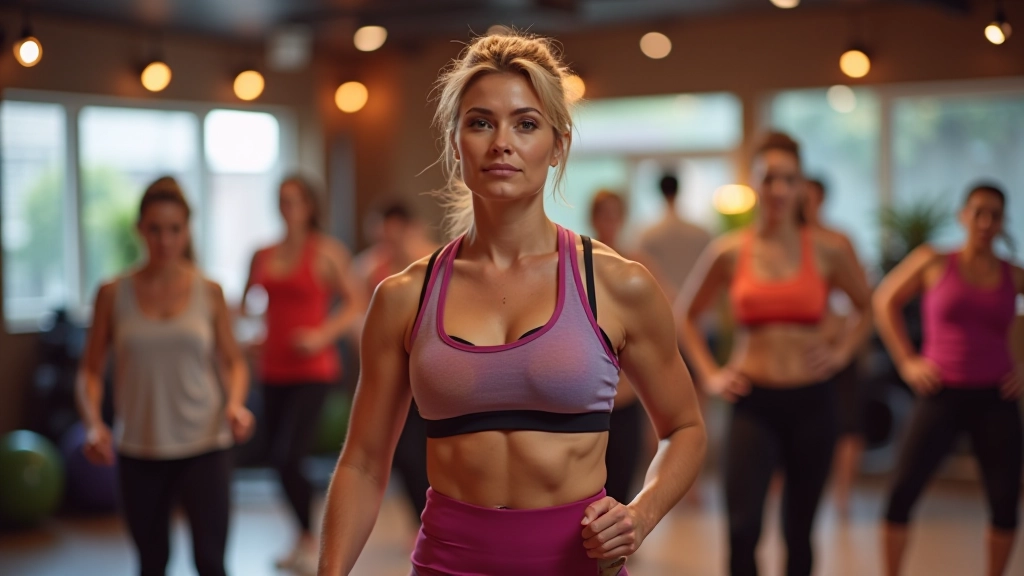
Rhythm-Based Cardio: Moving to the Beat
Discover how music-driven fitness makes exercise feel less like a chore and more like celebration
Why Music Changes Everything
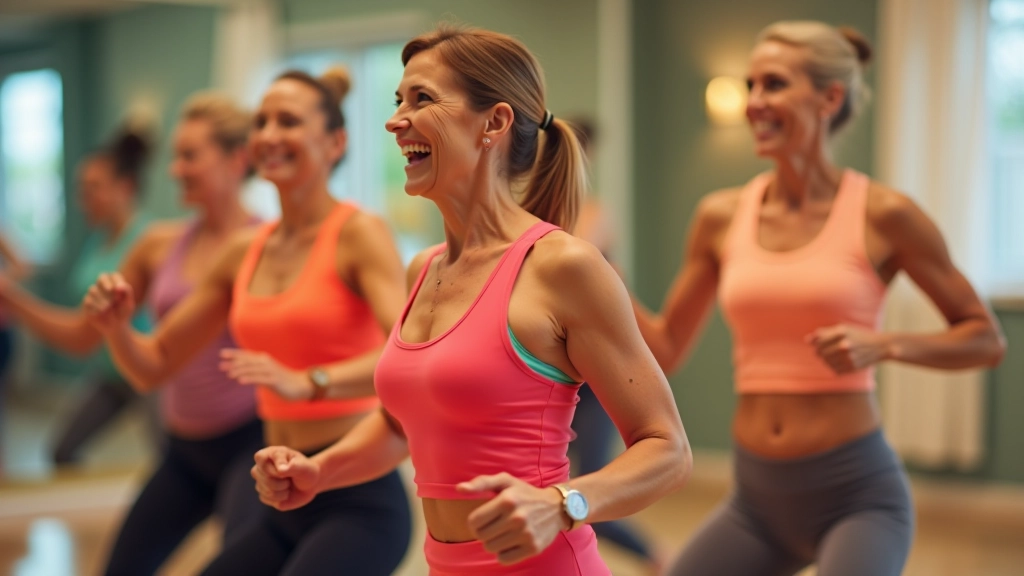
There's something transformative about moving your body to a beat you can feel. It's not just about the physical benefits—though those are real and measurable. When you're in a rhythm-based cardio class, your brain releases more endorphins, your movements feel more natural, and honestly, you're having too much fun to notice you're working hard.
The 40-60 age group has discovered what younger athletes have always known: music makes fitness feel less like punishment and more like joy. Whether it's Zumba's Latin rhythms, the steady pulse of line dancing, or the emphatic beats of step aerobics, rhythm-based cardio meets people where they are. You don't need perfect coordination. You don't need to have done this before. You just need to show up and let the music guide you.
The Real Benefits of Moving to the Beat
Beyond calorie burn—here's what rhythm-based cardio actually delivers
Cardiovascular Strength
30 minutes of steady rhythm work elevates your heart rate into the aerobic zone. You're building endurance and strengthening your heart without feeling like you're "exercising."
Mental Clarity
When you're focused on the beat and the next step, stress melts away. That's why so many people say they leave class feeling mentally lighter, not just physically tired.
Community Connection
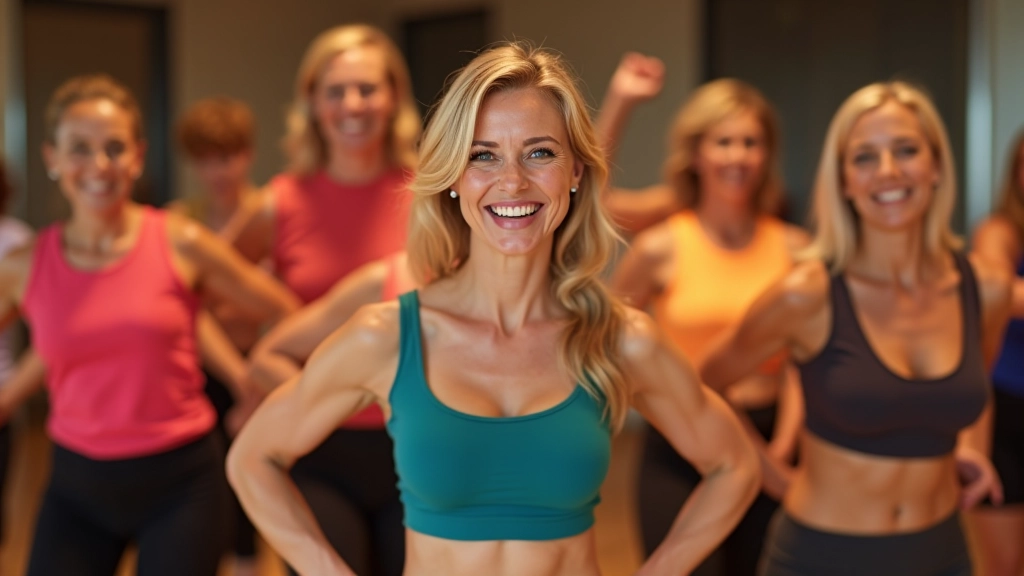
Moving together to the same rhythm creates a sense of belonging. You're not just exercising—you're part of something. Friendships form naturally in these spaces.
Balance and Coordination
Rhythm-based movements challenge your proprioception—your body's awareness of itself in space. This builds stability and reduces fall risk, which matters more as we age.
Sustained Energy
Music-driven workouts don't feel like a grind because the rhythm carries you. You're more likely to complete the full session and come back next week.
Pure Enjoyment
This might be the most important benefit: you're actually having fun. When fitness feels good, you'll do it consistently. And consistency is everything.
Different Rhythms, Different Vibes
Each style brings its own energy and challenge
Zumba: Latin Heat
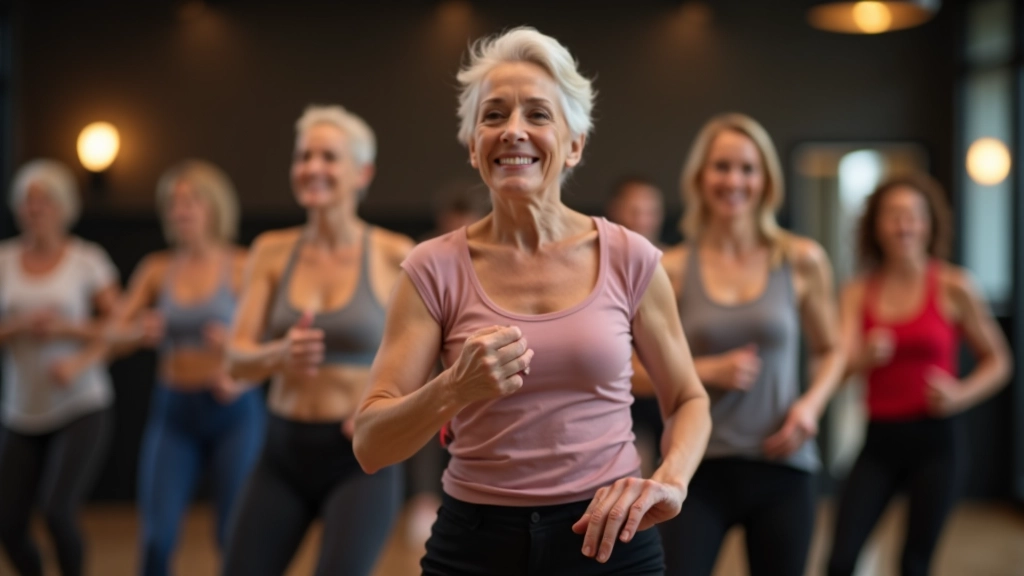
Salsa, reggaeton, cumbia, merengue—these aren't just fast beats, they're stories told through movement. Zumba doesn't require you to follow rigid choreography. You're encouraged to feel the music and move however feels natural. Most classes run 45-60 minutes, and you're burning 400-600 calories without realizing it. The hip movements and footwork patterns engage your core, legs, and cardiovascular system simultaneously.
Line Dancing: Precision and Pride
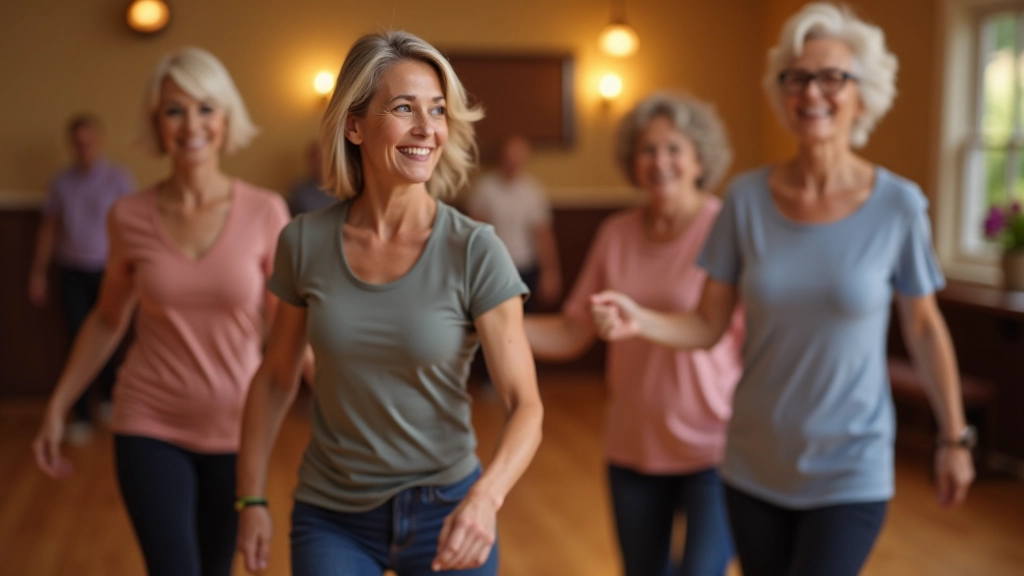
Line dancing is structured. There's a specific sequence of steps, and that structure is actually liberating. You're not worried about improvising—you can focus on executing the movements cleanly. The music is typically country, pop, or classic rock, so the beats are clear and easy to follow. Classes usually teach a 32-count pattern that repeats, making it achievable for beginners. You'll build leg strength, improve your posture, and develop the kind of muscle memory that translates to better balance in daily life.
Step Aerobics: Power and Control
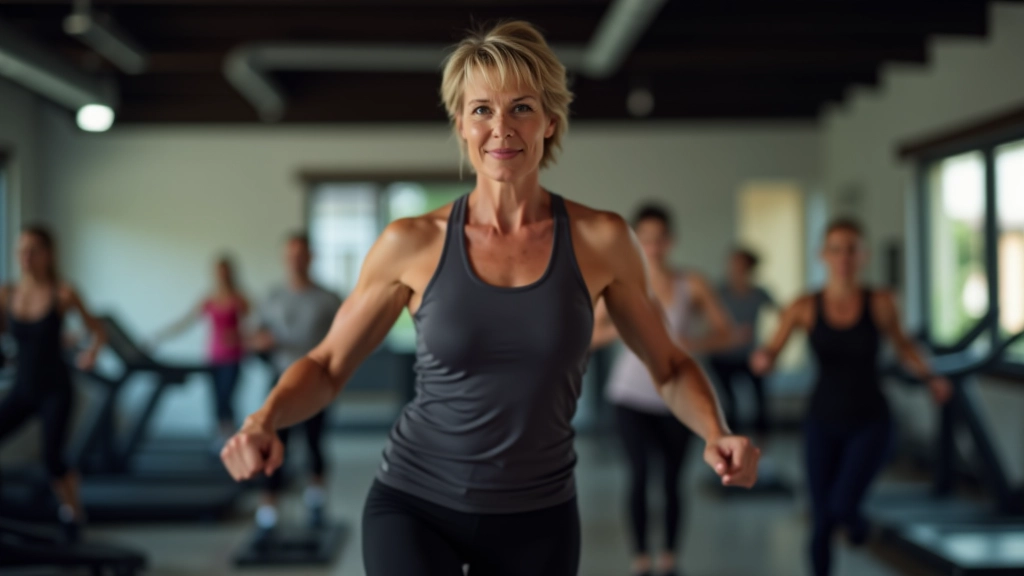
Step aerobics is the workout that built the fitness industry for a reason. You're stepping up and down on a platform, usually 6-8 inches high, synchronized to a strong beat—typically 120-130 BPM (beats per minute). This is where you'll feel your quads and glutes working. A 45-minute class can burn 500+ calories. The beautiful part? The step itself regulates your intensity. Step higher, work harder. Step lower, recover. You're completely in control of how hard you push, which makes it accessible for all fitness levels in the same class.
Getting Started: No Experience Needed
01
Find Your Style
Try one class of each type if you can. You'll quickly discover what resonates with you. Some people love Zumba's creative freedom. Others prefer the structure of line dancing. Step aerobics appeals to those who want measurable intensity.
02
Arrive Early
Give yourself 10 minutes before class starts. You'll get comfortable in the space, meet the instructor, and ask any questions. Most instructors are thrilled to help newcomers find their place in the room—usually near the back or side so you can watch others.
03
Wear What Feels Good
You don't need special gear. Comfortable clothes you can move in, supportive shoes (sneakers work fine), and you're set. Bring water. Most studios keep the temperature warm, so you'll sweat—that's part of the experience.
04
Go at Your Own Pace
The first class will feel overwhelming. That's normal. You're learning movement patterns, adjusting to the music, and finding your rhythm. By week three, you'll recognize the songs. By week six, your body will know what to do. Give yourself that grace period.
Why the Music Matters More Than You Think
The music isn't just a soundtrack—it's the engine. When a beat syncs with your heartbeat, something neurological happens. Your brain enters a state called "rhythmic entrainment," where your nervous system synchronizes with the external rhythm. This is why rhythm-based cardio feels different from treadmill running. You're not fighting against your body's resistance. You're flowing with an external pulse.
Different tempos create different effects. Latin music (typically 90-110 BPM) feels sensual and hip-driven. Pop and dance music (120-140 BPM) creates high energy and sustained intensity. Country music (used in line dancing, often 100-130 BPM) feels stable and grounded. A good instructor understands this and structures the class so the music itself guides your energy levels—starting warm, building intensity in the middle, cooling down at the end.
You're not just exercising. You're experiencing joy through sound and movement. And that matters because joy is what keeps you coming back.
The Beat Goes On
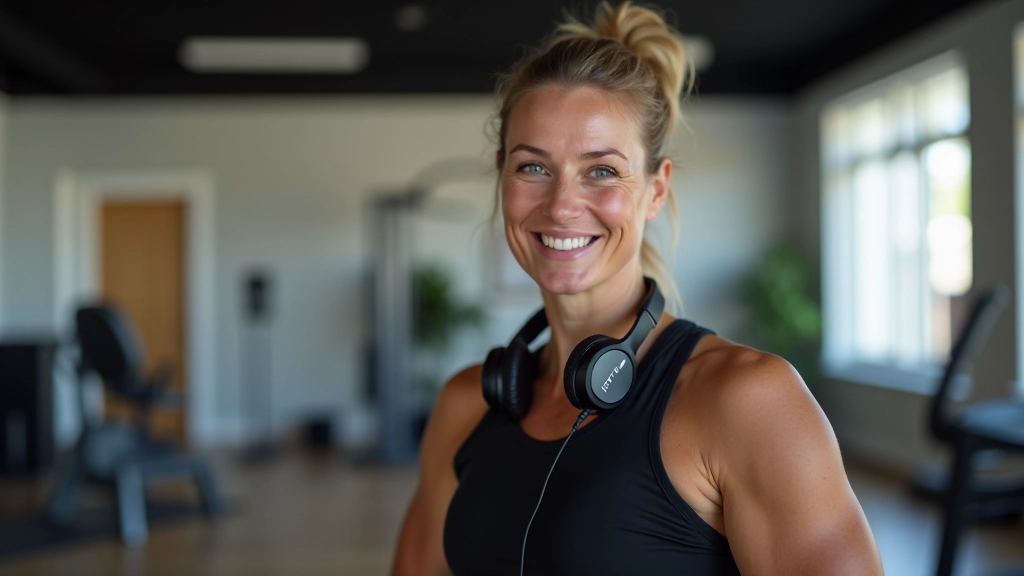
Rhythm-based cardio isn't a trend that'll fade. It's been around for decades because it works—not just physically, but emotionally and socially. When you step into a class, you're joining something bigger than yourself. You're part of a community moving to the same beat.
The 40-60 age group is discovering what they've always had inside them: the ability to move, to feel music in their bodies, to be strong and joyful at the same time. You don't need permission. You don't need to be "fit enough" first. You just need to show up and let the rhythm carry you.
Ready to Find Your Rhythm?
Search for Zumba, line dancing, or step aerobics classes in your area. Most studios offer a free or low-cost first class. That's your invitation. Take it.
Explore Classes Near YouRelated Articles
Disclaimer
This article is informational and educational in nature. It's not a substitute for professional medical advice, diagnosis, or treatment. Before starting any new exercise program, especially if you have existing health conditions, joint issues, or haven't exercised in a while, consult with your healthcare provider or a certified fitness professional. Every person's fitness journey is different, and what works for one person may need adjustment for another. Listen to your body, honor your limits, and work with qualified instructors who can provide personalized guidance based on your individual circumstances.